Best Watch for Outdoor Adventures: Trails, Camps, and Summits
Published April 2, 2026
You are four hours into a trail and your phone is dead
It rained. The battery drained. You packed it at the bottom of your bag two hours ago because the screen was useless in the sun anyway. Now you need to know if you have enough daylight to reach the summit or if you should turn back.
You look at your wrist.
A watch does not need a signal. It does not need charging. It does not care about rain, altitude, or temperature. For anyone who spends real time outdoors, that reliability is the entire point.
Our Pick: Casio G-Shock GW-M5610 ($165)
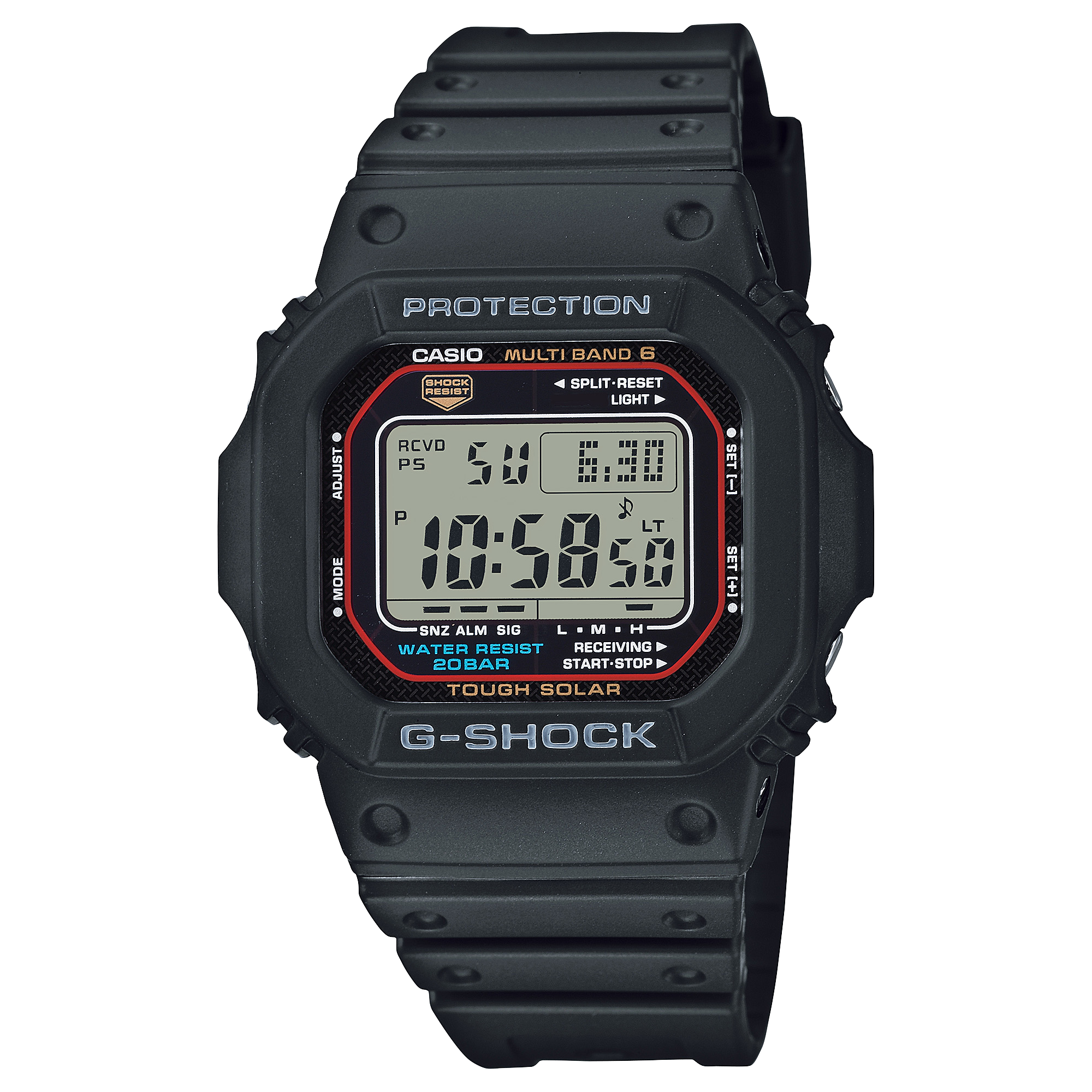
You leave Friday after work and come back Sunday night. In between: trails, campsites, river crossings, weather that shifts three times in an afternoon. Your watch handles all of it without a single thought from you.
The GW-M5610 is solar powered. Any light charges it. On a weekend in the mountains, it is absorbing energy every moment you are outside. After a full charge, it runs for approximately ten months even in complete darkness. You will never think about battery life again.
Atomic timekeeping means it syncs to radio signals and stays accurate to the second. 200 meters of water resistance means river crossings, rain, and accidental submersion are irrelevant. The resin case absorbs impacts from rock faces, tree branches, and dropped packs.
The stopwatch tracks elapsed hiking time. The countdown timer reminds you when to turn back. Five independent alarms wake you at camp, remind you to eat, prompt hydration. At 51 grams, you forget it is on your wrist until you need it. And when you need it, it is always ready.
The honest flaw: No compass, no altimeter, no barometer. If you need those, you need a watch costing three to five times more (or a dedicated device). The display can be hard to read in low-angle light, and the EL backlight requires a button press. The atomic time sync does not work in remote valleys or deep forests, though the watch keeps accurate time between syncs.
Runner-Up: Orient Mako III ($230)
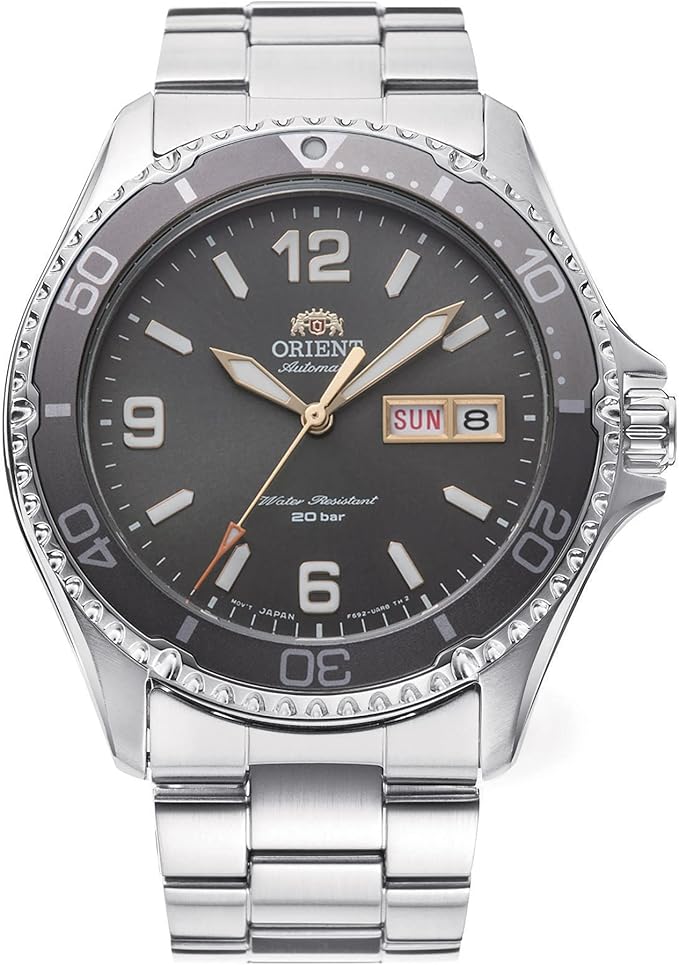
You want a watch with character. Something that feels like more than a plastic rectangle on your wrist. Something that looks as good at the trailhead bar as it did on the summit.
The Mako III is a 200-meter dive watch that doubles as an exceptional outdoor watch. Sapphire crystal means branches, rocks, and gear will not scratch the face. The automatic movement winds itself from the constant arm motion of hiking. The lume is generous: at camp, in your tent, at dawn, you read the time without reaching for a headlamp.
The honest flaw: At 152 grams on the steel bracelet, it is noticeably heavier than the G-Shock. On long hikes, wrist fatigue is real. Swap to a NATO strap to save weight. The steel case also conducts cold, so in winter conditions it can feel uncomfortable against bare skin. And unlike the G-Shock, it is not shock resistant by design.
The Field Watch: Seiko 5 SRPK29 ($350)
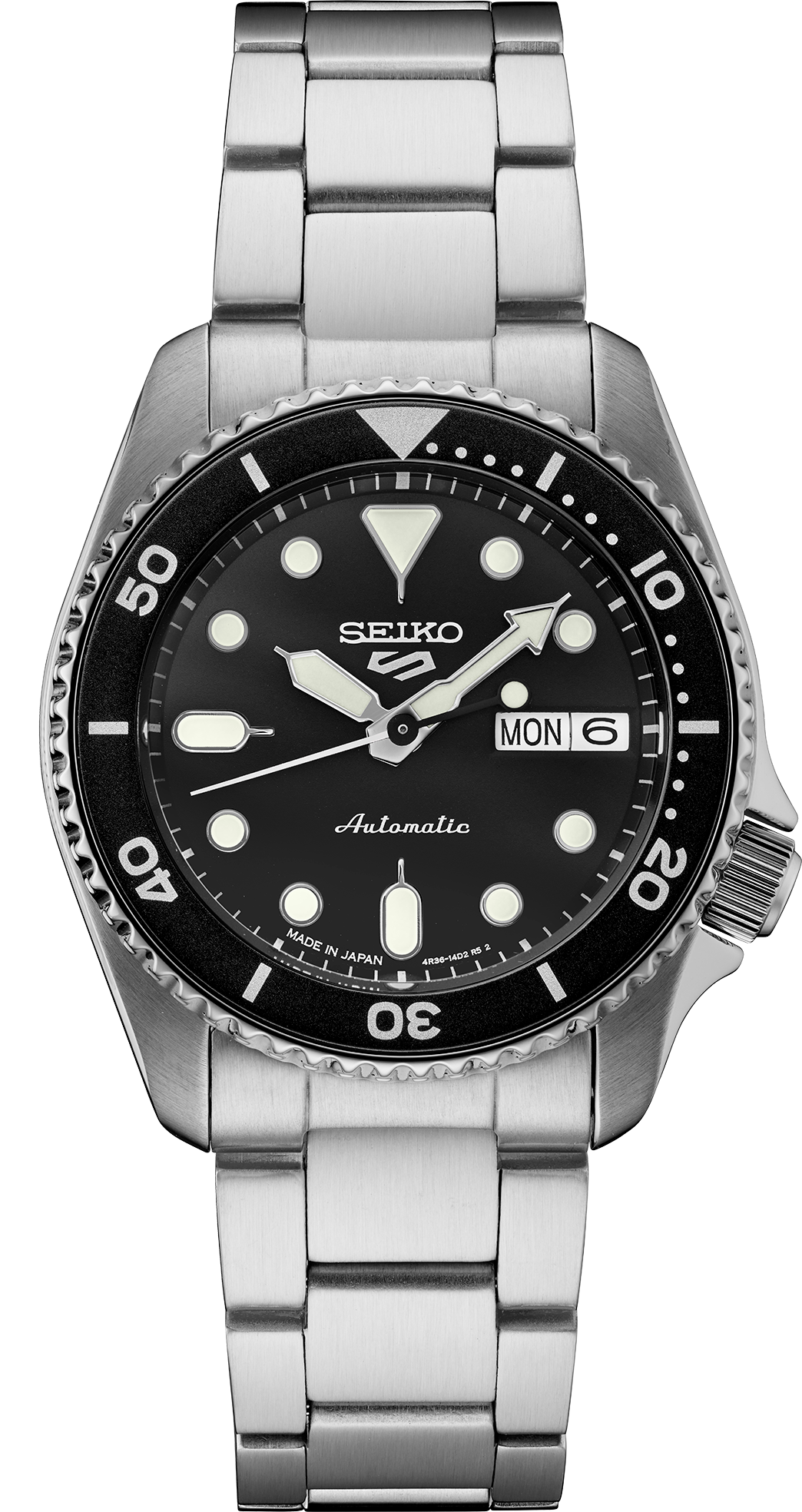
You want something between a tool and a companion. A mechanical watch with a field aesthetic that feels right on the trail and in the city.
The SRPK29 at 38mm is compact enough to slip under a jacket sleeve and light enough to forget. The lume is among the best in this price range: bright, even, and long-lasting. Reading the time at 4am in your sleeping bag requires zero effort. 100 meters of water resistance handles rain and splashes.
On a five-day backpacking trip, the automatic movement runs the entire time without winding, powered by the act of walking.
The honest flaw: 100 meters of water resistance means caution at river crossings. No countdown timer, no stopwatch, no alarm. It tells the time and the date, nothing more. And at $350, a bad rock strike or a fall that dents the case will sting more than the same event with an $85 or $165 watch.
The No-Worries Option: Casio MDV-106 ($85)
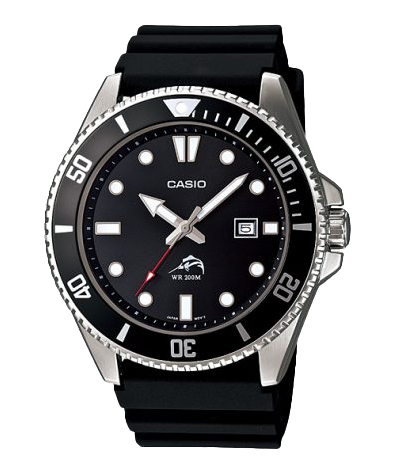
You do not want to care about your watch at all. You want to strap it on, walk into the woods, and focus on the trail.
200 meters of water resistance. Quartz accuracy. A battery that lasts years. At $85, the cost of the watch is less than a pair of hiking socks from a premium brand. If a rock scratches it, fine. If you lose it at a campsite, the replacement cost is a rounding error in your gear budget.
The honest flaw: The mineral crystal scratches easily outdoors. The resin strap can feel sticky when sweating under a pack. No lume that competes with the Seiko or Orient for nighttime readability. And the 44mm case is large for smaller wrists. But at $85, these compromises are the price of not caring, and not caring is the point.
The answer
For most outdoor adventures: Casio G-Shock GW-M5610 at $165. Solar powered, shock resistant, 200m water resistance, and light enough to forget on your wrist.
If you want a watch with more personality: Orient Mako III at $230 or Seiko 5 SRPK29 at $350. If you want zero financial investment in something the trail might destroy: Casio MDV-106 at $85.
The best outdoor watch is the one that works every time you look at it, no matter what the mountain threw at you five minutes ago.
Not sure this is the right one for you?
3 questions, 60 seconds, zero doubt. We'll tell you exactly what to buy.
Find your watch →Frequently Asked Questions
Do I need a GPS watch for hiking?▾
What water resistance do I need for outdoor activities?▾
Solar watch or battery watch for the outdoors?▾
Can I wear an automatic watch hiking?▾
Before you go —
Tell me who it's for and when. I'll tell you exactly what to buy, free, by email.
Take the quiz →